Ever wondered how clean your child’s school or daycare really is? It might look spotless at first glance—floors mopped, desks wiped, toys neatly stacked. But beneath the surface, germs are thriving in places you wouldn’t expect.
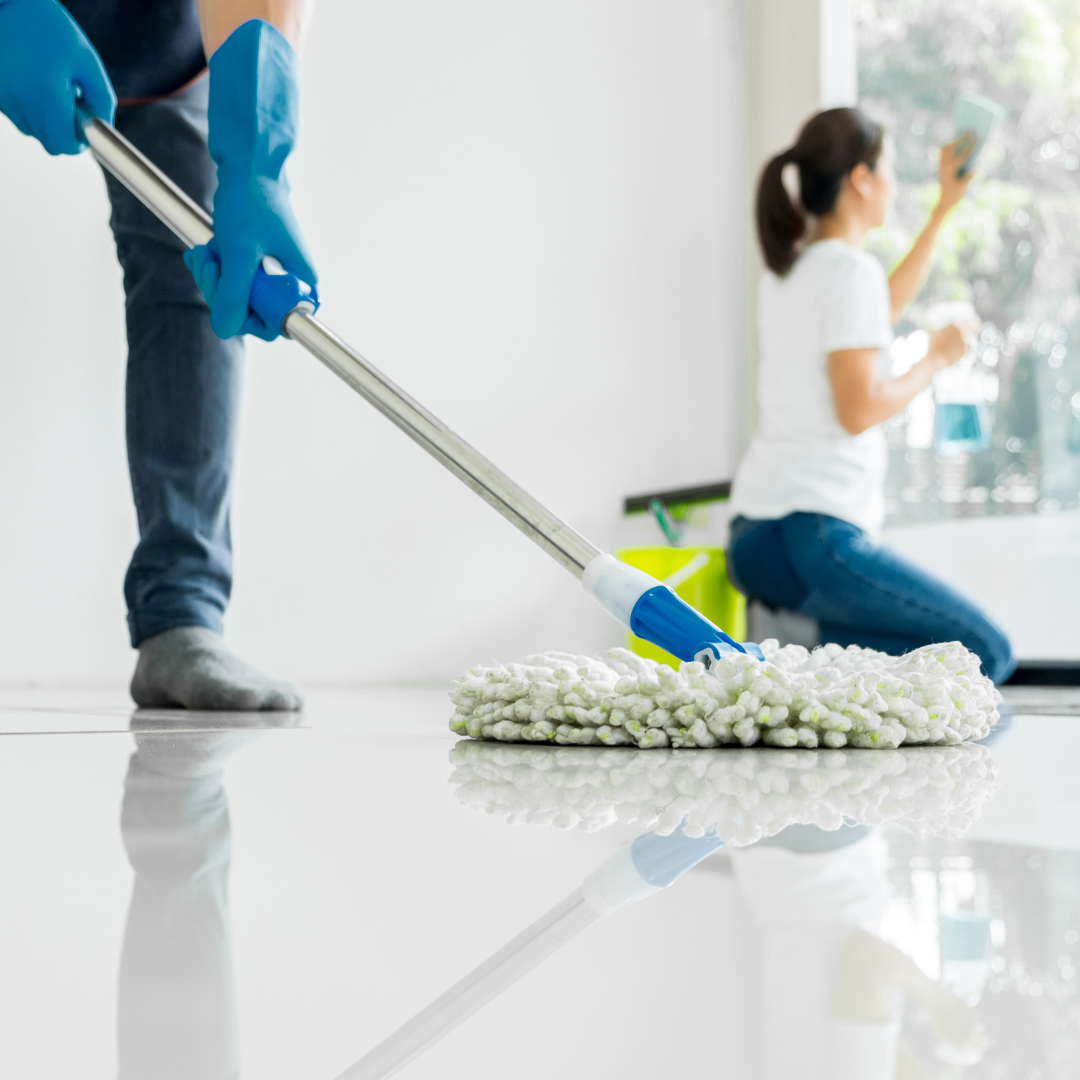
Classrooms and play areas are some of the germiest spaces, with hundreds of little hands touching everything from pencils to playground equipment. A quick mop and wipe-down might make things look clean, but it’s not enough to eliminate bacteria, viruses, and allergens that spread illness.
To truly protect students, teachers, and staff, schools need more than just basic cleaning. Deep sanitisation and thorough disinfection are essential for creating a safe, healthy learning environment. Here’s why.
High-Touch Surfaces Spread Germs Quickly
From the moment kids step into a classroom, they touch everything—desks, door handles, books, and toys. Young children, in particular, have a habit of touching their faces, sharing snacks, and putting objects in their mouths. This makes high-touch surfaces the perfect breeding ground for bacteria and viruses.
It’s not just the obvious places like desks and chairs that pose a risk. Germs lurk in areas often missed during routine cleaning, including:
Light switches and handrails
Shared art supplies and building blocks
Lunch tables and cafeteria trays
Playground equipment and soft toys
Why Mopping and Wiping Down Isn’t Enough
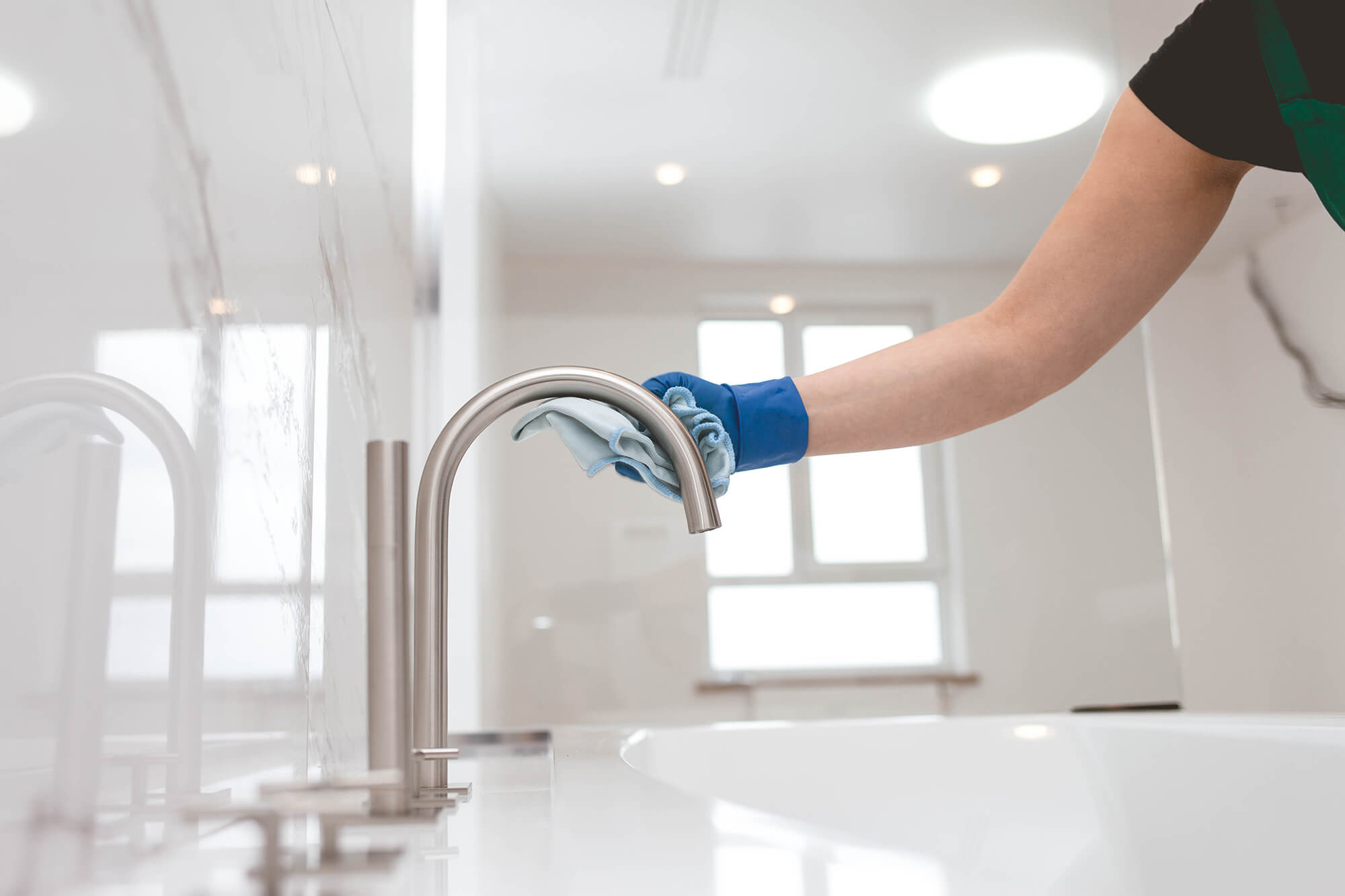
Spraying and wiping a surface doesn’t always kill bacteria. Most disinfectants need time to work. If cleaners wipe too quickly, germs remain and continue to spread. High-touch surfaces require frequent and thorough disinfection, not just a quick pass with a damp cloth.
Young Children Are More Vulnerable to Illness
Unlike adults, young children’s immune systems are still developing, making them more prone to infections. Daycares and schools see constant outbreaks of colds, flu, and stomach bugs because kids easily spread germs without realising it.
Children forget to wash their hands, sneeze without covering their mouths, and share toys, pencils, and lunch items. This speeds up the spread of bacteria and viruses, making it almost impossible to stop illness from circulating.
Reducing Sick Days with Proper Cleaning
A mop and bucket might clear away dirt, but it won’t remove the bacteria and viruses that lead to frequent absences. To keep kids and staff healthy, schools need:
Daily disinfection of desks, chairs, and common surfaces.
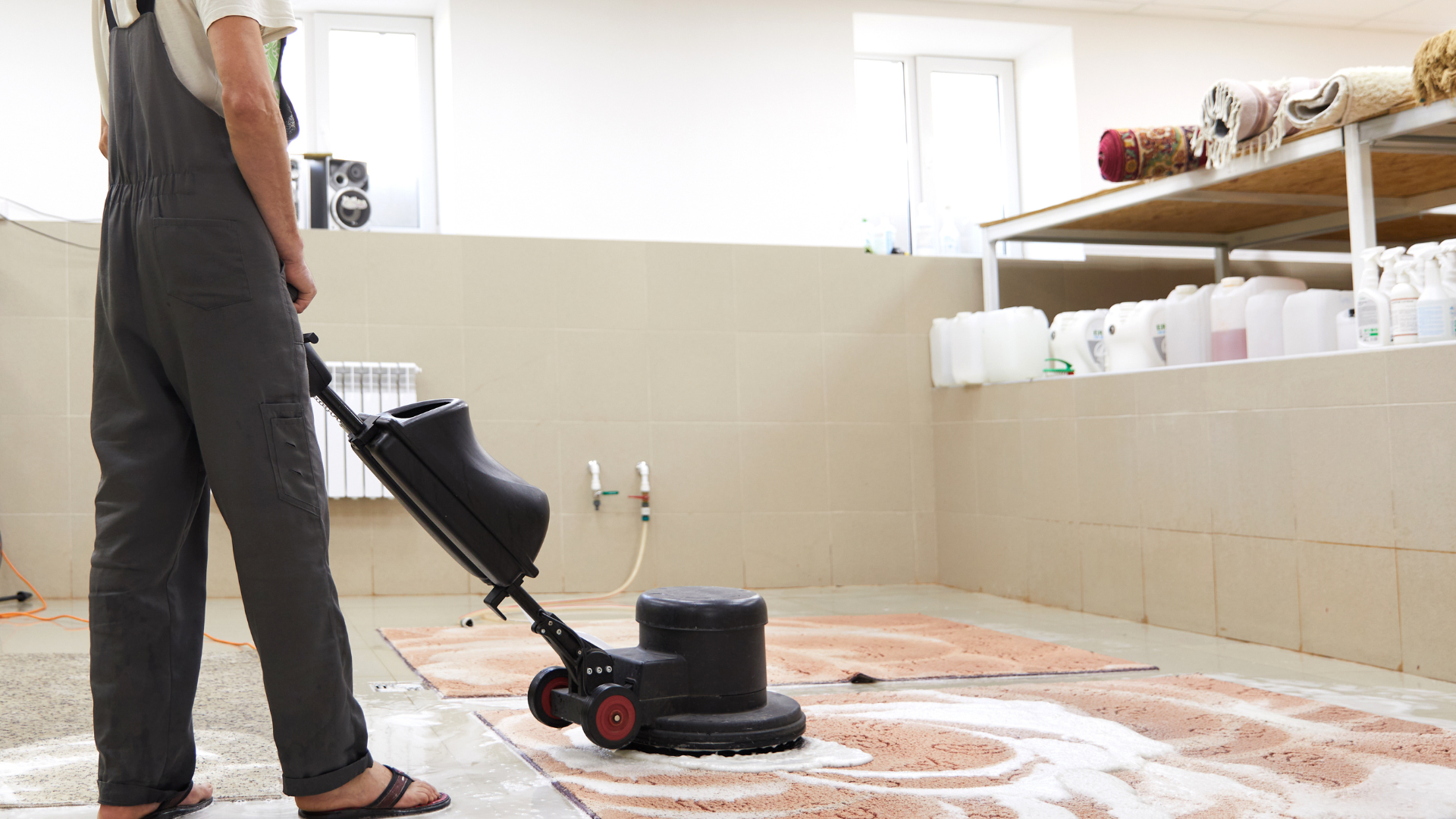
Deep cleaning of carpets and play mats to remove dust, allergens, and bacteria.
Proper sanitisation of restrooms, sinks, and nappy-changing areas to stop bacterial growth.
The more thorough the cleaning, the fewer germs there are to spread, leading to fewer sick days and a healthier learning environment.
Standard Cleaning Doesn’t Remove Deep-Seated Bacteria
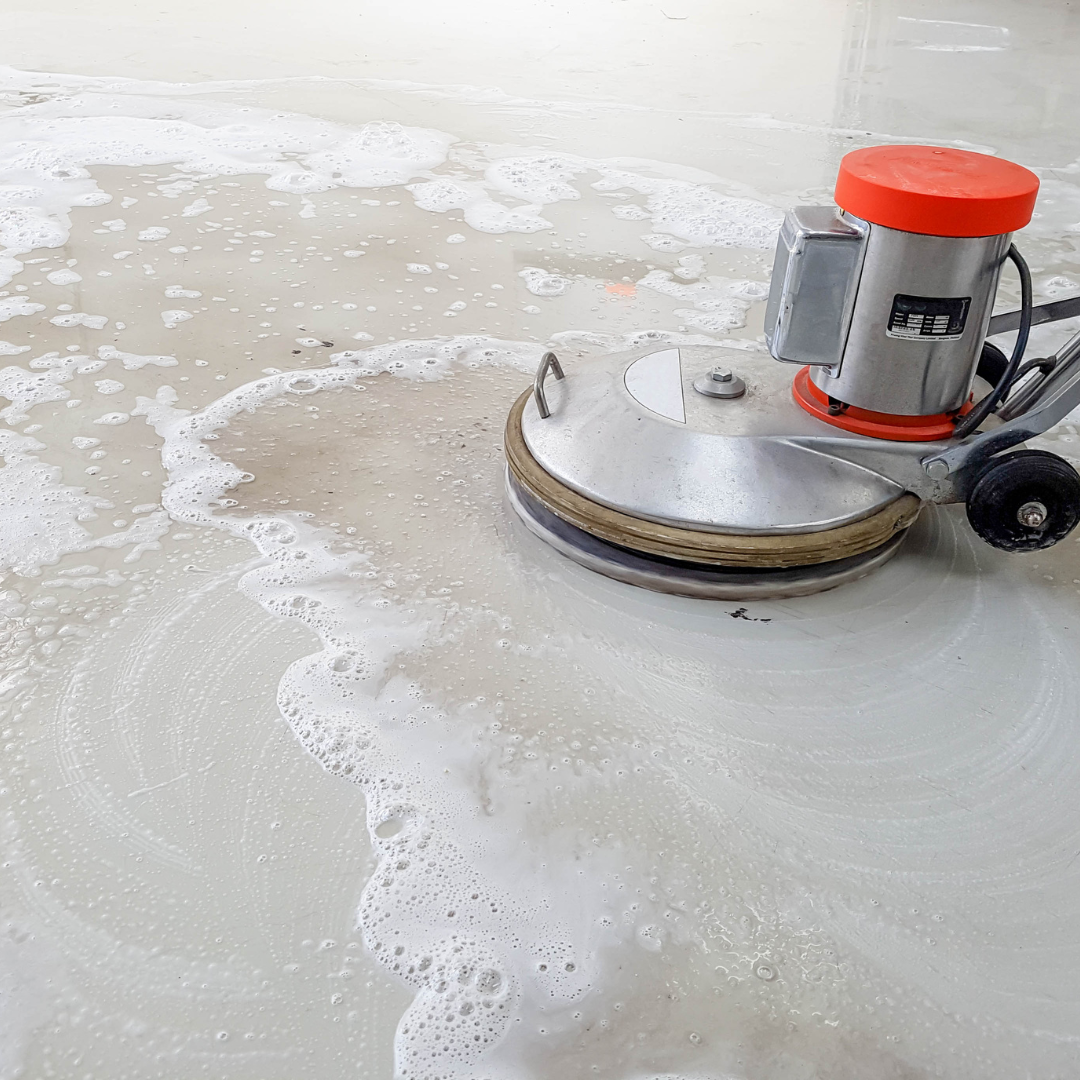
A freshly mopped floor and a wiped-down desk might look clean, but deep-seated bacteria and grime remain in hard-to-reach places. Over time, dirt, sweat, and food spills sink into carpets, upholstery, and air vents, creating an environment where bacteria thrive.
Some of the biggest problem areas include:
Classroom carpets – Trap dust, allergens, and bacteria from shoes and food crumbs.
Soft toys and fabric seating – Can harbour germs for weeks if not sanitised properly.
School lockers and cubbies – Often neglected, collecting dust, food wrappers, and bacteria.
Why Deep Cleaning Matters
Surface cleaning only removes what’s visible, but deep cleaning tackles what’s hiding beneath the surface. This includes:
Carpet steam cleaning to kill bacteria and remove allergens.
Disinfecting upholstery and soft toys to prevent the spread of germs.
Cleaning air vents and filters to improve indoor air quality.
Without regular deep cleaning, bacteria continues to grow, creating a cycle of sickness in schools and daycares.
Indoor Air Quality Affects Learning and Health
It’s not just dirty surfaces that spread germs. The air inside classrooms can be just as concerning. Poor indoor air quality can lead to allergies, breathing issues, and fatigue, making it harder for kids to concentrate and for teachers to work effectively.
Dust, mould, and airborne bacteria accumulate in air vents, carpets, and old furniture, leading to:
More asthma and allergy flare-ups.
Headaches and fatigue among students and staff.
A higher risk of airborne illnesses spreading.
How to Improve Air Quality in Schools
Deep cleaning carpets and upholstery to remove dust and bacteria buildup.Disinfecting air vents and HVAC systems to reduce airborne contaminants.
Using eco-friendly cleaning products to avoid exposure to harsh chemicals.
Schools that prioritise clean air often see fewer sick days, improved concentration, and a healthier learning environment overall.
Give Students and Staff the Clean, Healthy Space They Deserve
A quick wipe-down and a mop aren’t enough to keep schools and childcare centres truly clean. To create a safe and healthy learning environment, deep sanitisation and expert cleaning practices are essential.
At Premium Touch Cleaning, we specialise in professional school and daycare cleaning, going beyond surface-level cleaning to eliminate bacteria, viruses, and allergens. Our services include deep carpet cleaning, thorough disinfection of high-touch areas, and eco-friendly cleaning solutions designed for education facilities.
A cleaner school means fewer sick days, better focus, and a safer space for students and staff. Get in touch with us today to discuss a customised cleaning plan for your school or daycare.